How insects traverse impossible distances
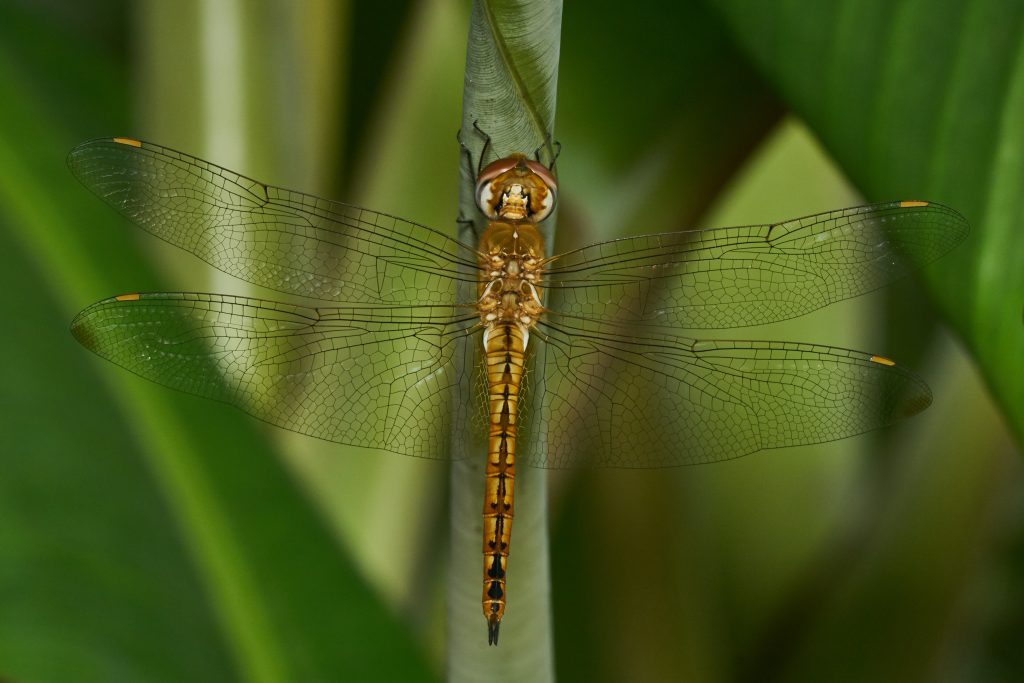
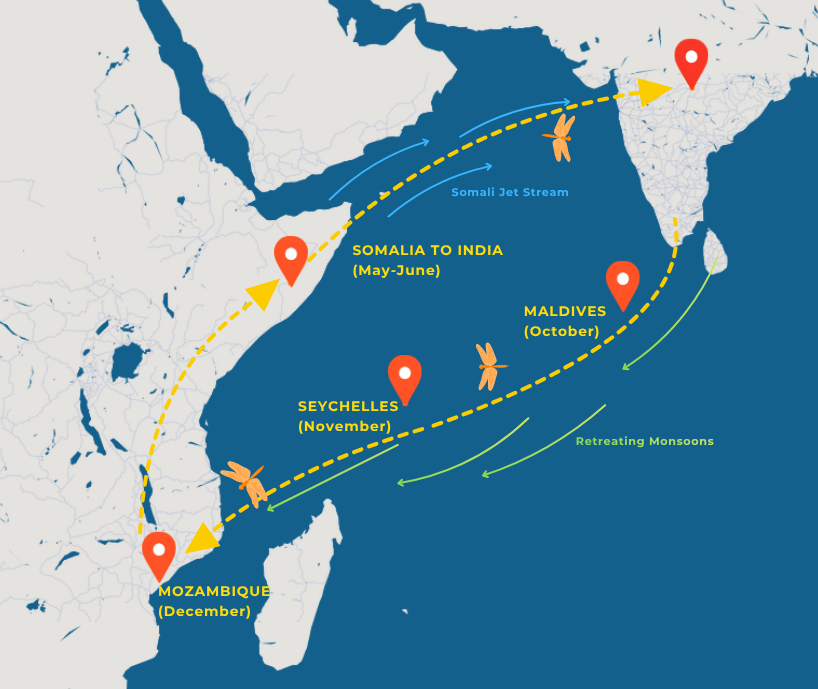
Somewhere over the Indian Ocean, the globe skimmer (Pantala flavescens) flaps its delicate golden wings, beginning a remarkable relay journey covering up to 14,000-18,000 km between India and Africa. These small insect travellers measure about 4-5 cm in length and are no heavier than a paper clip, yet they hold one of the longest insect migration records.
The globe skimmer is one of the most common dragonfly species in the world. With their golden brown bodies, they are adept at travelling long distances, guided by innate cues. Even if they have never travelled to a location before, they know exactly where to go, displaying an incredible instinct for direction. Similarly, the painted lady butterfly travels over 7,000 km from Europe to South America, while the majestic monarch butterflies cover 5,000 km from Mexico to Canada.
These migrations are fascinating, but they aren’t easy for scientists to study – the creatures are often too small to track and too fast to follow. Long-term field observations, novel tracking instruments, and drones – even scientists chasing them in aeroplanes – have helped to a large extent. Yet, many questions remain unanswered. How do creatures so small know when to leave? How do they find their way across landscapes that they have never seen before? And how do we track insects that can disappear into the sky?
These and similar mysteries continue to stump entomologists and researchers around the world.
The paradox of size
Patrick Guerra, a neuroecologist and independent researcher in the USA, is one of them.
“As a student, I wanted to become a police detective. Instead, I became a different kind of detective – one who investigates how insects navigate across continents,” he says.
Patrick points out that people often ask him why he studies insects instead of more complex animals such as mammals. For him, the answer lies in the monarch butterfly’s remarkable simplicity.
“The monarch has a brain the size of a pinhead, yet it still performs the same kind of computations and decision-making that humans use to get from A to B,” he explains.
One might assume that because of their size, insects are less efficient at migration than larger animals, but this is not true. “Insects have well-developed navigation systems. For instance, bees and ants have splendid evolutionarily driven mechanisms to navigate, interpret environmental cues, and respond to factors like flower colours and distances,” says Gerard Talavera, evolutionary biologist and entomologist at the Botanical Institute of Barcelona (CSIC), Spain.
In recent years, scientists have started combining established tools with newer approaches to track insect movements and trace their flight routes. Vertical radars, for example, help entomologists precisely track the motion of an entire moving swarm of insects and follow their travel routes.
One of the earliest methods used to track insects in the 1950s and 1960s was the use of coded stickers. Canadian zoologist couple Norah and Fred Urquhart tracked monarch butterflies for decades by attaching tiny coded stickers to their wings. Each code marked the location where the butterfly had been tagged, allowing researchers to determine the origin if it was later recovered elsewhere.
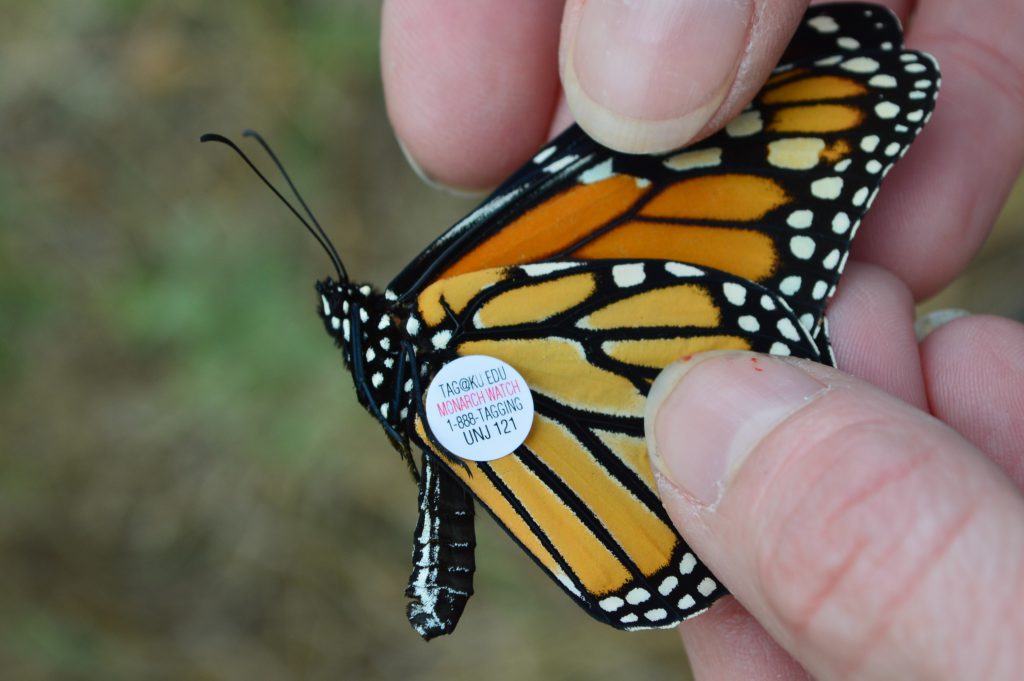
Modern approaches use miniature radio transmitters that emit signals to nearby receivers, but these remain difficult to use on flying insects because the devices can alter their aerodynamics. Researchers are therefore developing lightweight tags that can be attached to the insect’s thorax, says Patrick. These work better for larger, ground-dwelling insects such as beetles and mormon crickets, where additional weight has less impact on insect movement.
Researchers also rely on radar systems to monitor insect movements. “Ground radar can detect swarms and distinguish different groups of insects by their unique wingbeat frequencies,” says Patrick. This allows scientists to identify whether passing migrants are butterflies, dragonflies, or other insects.
‘As an engineer, to see that such migrations are actually possible seems almost like a fairy tale’
“Another way of looking at migrating insects is isotope labelling, which can provide an idea of the location where they emerge from,” explains Sandeep Saha, Associate Professor at IIT Kharagpur. “By analysing the heavy water content in the wings, we can estimate the origin.” Lakes and ponds that dragonflies emerge from have distinct levels of heavy water, allowing researchers to pinpoint the source.
Sandeep finds studying these tiny creatures quite rewarding. “As an engineer, to see that such migrations are actually possible seems almost like a fairy tale,” he adds.
Uber in the sky
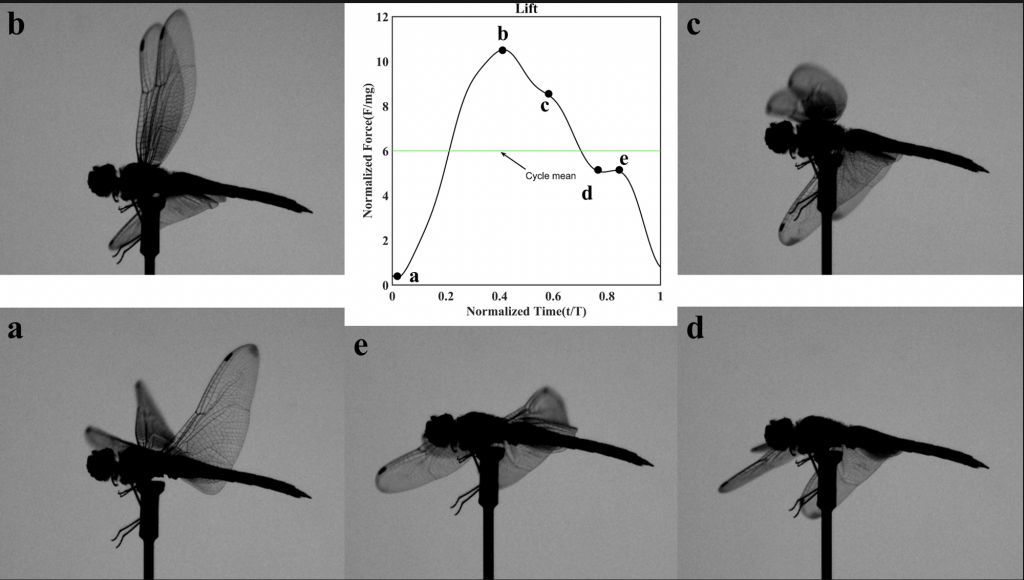
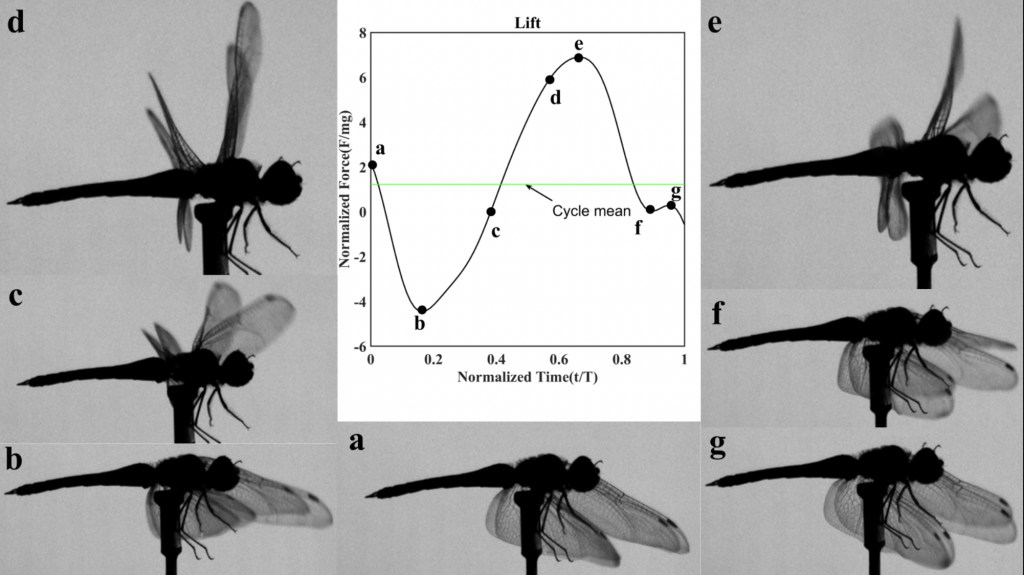
Sandeep is currently studying the migration of the globe skimmer dragonfly across the Indian Ocean using a combination of computer simulations and experimental techniques. Drawing from insights into bird migration, they have estimated the energetics involved in insect flight by calculating the creatures’ energy reserves (the fat stored in the insect’s body). This allows them to assess how long the dragonflies can continue flying over long distances.
Sandeep and others have also found that insects can’t reach their destination by flight alone. They simply don’t have enough energy. What, then, carries them across such vast distances?
It turns out that wind plays a large role in shaping migration, ferrying insects to their locations like taxicabs.
‘Many migratory insects are so tiny that they are not going to fly thousands of kilometres; instead, they fly up, and then are transported by wind’
“Many migratory insects are so tiny that they are not going to fly thousands of kilometres; instead, they fly up, and then are transported by wind,” says Saskya van Nouhuys, Associate Professor at the Centre for Ecological Sciences (CES), IISc. “Seasonally, the wind directions change, so once the insects go up in an updraft, they also travel in different directions seasonally. Lots of really tiny insects like plant hoppers move like this.”
To understand how wind shapes migration, Sandeep’s team performs Earth-scale simulations and uses graph theory to predict routes that insects are most likely to take. These computational models are then validated in a wind tunnel experiment, where insects are flown under carefully controlled wind conditions. “We try to see if what we learned from our theory and simulations matches what we find in the experiment,” says Sandeep.
The need to move
Like other animals, insects migrate primarily in response to seasonal changes that affect temperature, rainfall, availability of food, and breeding habitats.
“While the exact triggers are still not fully understood, scientists believe that migration is initiated by a combination of environmental cues such as day length, temperature, wind conditions, and resource availability. Different species then rely on different navigational cues, such as wind, the Sun or Earth’s magnetic field, to reach their destinations,” says Vishwesha Guttal, Professor at CES.
The monarch butterfly is often called the king of butterflies. Unlike migratory birds, these orange and black-veined flyers navigate using a combination of external and internal cues. They primarily use the Sun as a compass along with an internal circadian clock to adjust their orientation.
Nocturnal migrants use similar strategies related to the position of the Moon or stars. Studies also suggest that migrating animals like monarchs might use local environmental cues such as wind speed and direction, and visual cues like land, vegetation, and smell. However, these mechanisms remain under investigation, says Patrick.
In the absence of visual cues from the Sun – under an overcast sky, for example – monarchs can stay on course by switching to the Earth’s magnetic field as a backup navigation system
To understand how the monarchs use their magnetic compass, his team tried to recreate their migration under controlled laboratory conditions.
The butterflies are first tethered inside a small treadmill-like flight simulator, allowing them to fly while remaining in place. The simulator is then surrounded by Helmholtz coils that generate an artificial magnetic field system replicating conditions from various locations around the globe. To remove the Sun as a directional cue, the flight simulators are covered with a diffuser that blocks the solar disc while still allowing normal daylight and ultraviolet light to reach them. Under these conditions, the only directional information available is the artificial magnetic field, enabling researchers to isolate and study the butterflies’ magnetic navigation system. These experiments showed that, in the absence of visual cues from the Sun – under an overcast sky, for example – monarchs can stay on course by switching to the Earth’s magnetic field as a backup navigation system.
But understanding how insects orient themselves is only one challenge. Another is retracing the routes that they have taken.
Following invisible clues
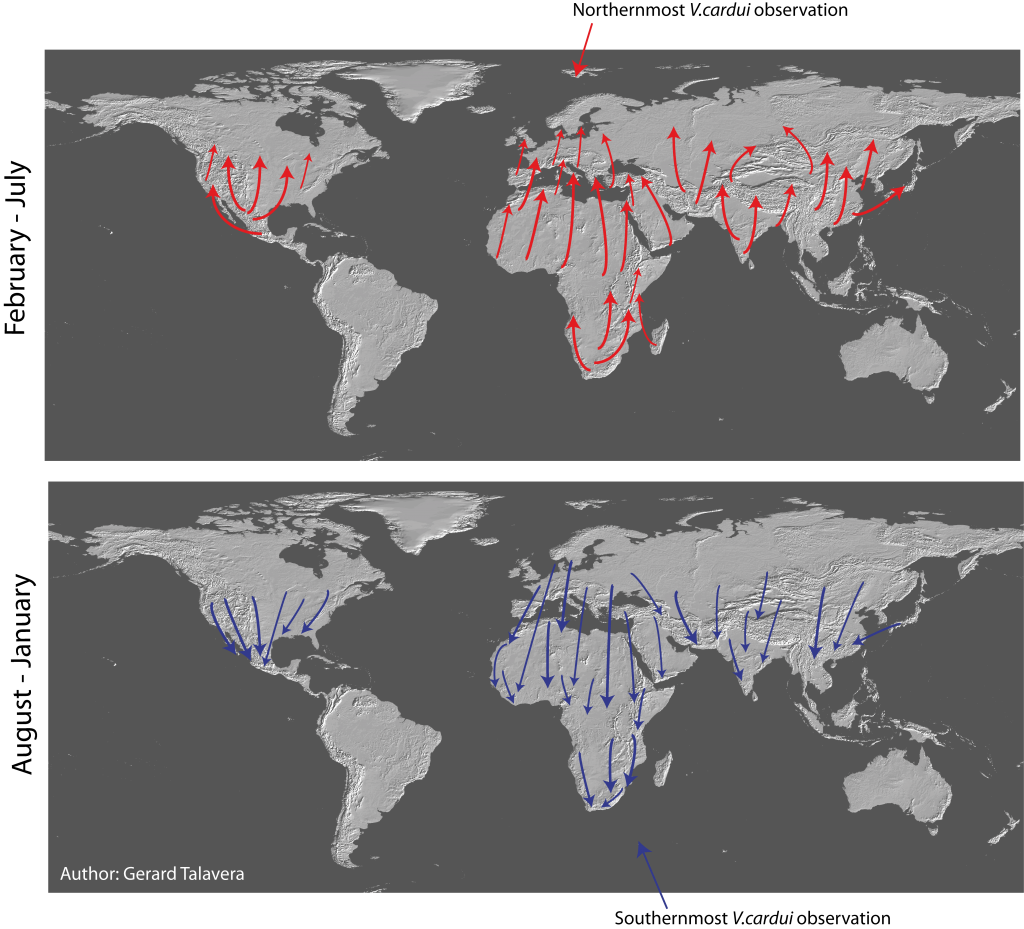
Gerard’s team studies the migration of painted lady butterflies (Vanessa cardui). The orange and brown-winged butterflies are found in many parts of the world and are long-distance travellers, known for making trans-Saharan flights from Europe to Africa.
In 2013, when Gerard heard about rare sightings of these butterflies in South America, he decided to travel to French Guiana, eager to catch a glimpse of them.
“It was a risky expedition in the sense that I was most likely not going to find the butterflies because they are not supposed to be there,” Gerard says. “But I was lucky, and one day I could find about 10 butterflies standing on the beach early in the morning, in a very bad condition – very worn and exhausted. They were lying on the sand of the beach just a few metres from the water, which is a very strange place for a butterfly to be, especially at dawn. So, it was clear to me that they were migrants,” he adds. Gerard suspected that they had arrived after an extraordinary journey. He wanted to trace their origin, but no single technique could provide the answer. He collected three specimens and used a combination of techniques to study them, such as pollen metabarcoding, ecological niche modelling, wind trajectories, stable isotopes and genetics.
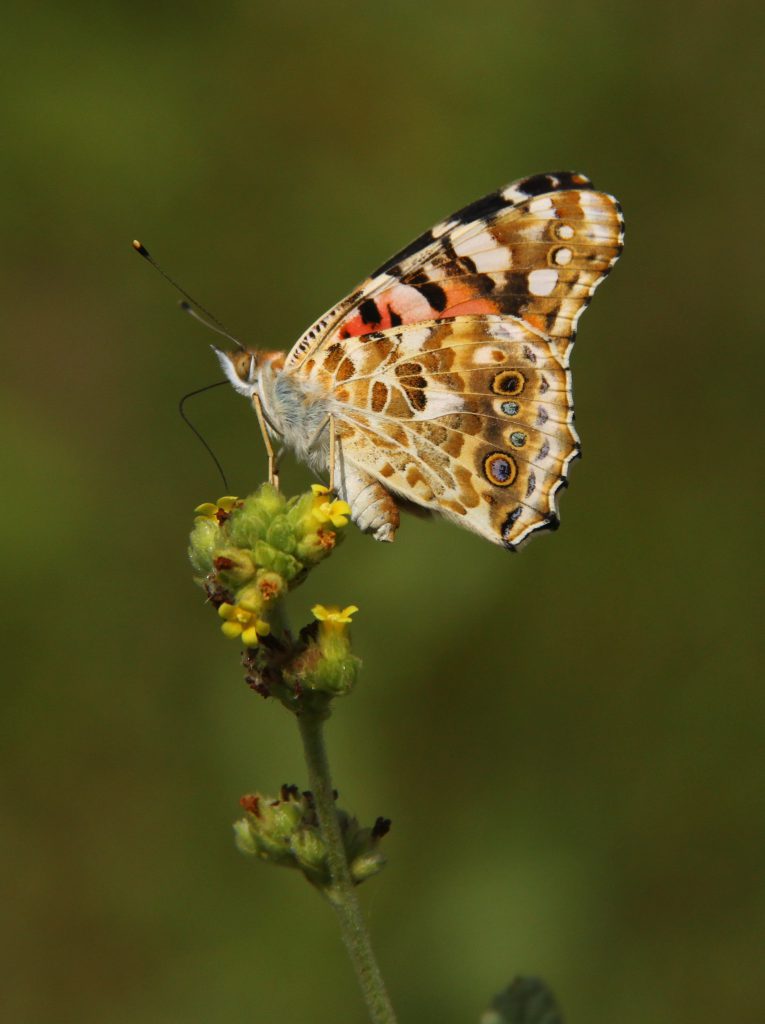
As butterflies visit flowers along their journey, pollen grains stick to their bodies. By identifying the DNA in these pollen grains, researchers can determine which plant species the butterflies visited. If a butterfly collected in one region carries pollen from plants found hundreds or thousands of kilometres away, it provides evidence of its migratory route, and the possible place of origin can be identified using pollen metabarcoding – a DNA-based technique to trace insect movements.
In spatiotemporal ecological niche modelling, researchers combine records of breeding populations with environmental data to predict where a species can survive and reproduce throughout the year. By modelling suitable habitats across space and time, they can identify likely breeding areas and reconstruct migratory pathways, even when direct observations are unavailable.
Each method contributed a clue, and together, with all these pieces of evidence, Gerard’s team was able to document one of the longest recorded migrations – the painted lady butterflies had travelled 4,200 km across the Atlantic Ocean from West Africa to South America. The overall journey – from Europe to Africa to South America – would have been a whopping 7,000 km.
Clues in the genes
Where does the innate ability to carry out such extraordinary expeditions come from? Going back to the globe skimmer, for example, how are generations of this insect species able to travel to places they have probably never been to before?
Monarch butterflies, too, undertake their first and only migration without guidance from parents or experienced individuals. “[This is] unlike other animals where older individuals teach younger individuals how and where to fly, or where there’s mimicry – when young birds just fly where the older birds are going. That’s intriguing,” says Patrick. “Unlike birds, there is no clear evidence of learning or cultural transmission. Instead, in insects like monarchs, the instructions for migration appear to be genetically determined or hardwired.”
If migration is almost instinctive, is it written into an insect’s DNA? According to Gerard, the answer is yes, but not in the way people often imagine. It is not as simple as one gene controlling migration. The control is pleiotropic – the insects’ behaviour arises from a package of interacting genes and regulatory elements that determine how, when, and where an insect migrates.
Migration happens in three main stages. First is the onset of migration, during development. Next is the actual migration – where the insect maintains direction and navigates over long distances. Finally, the termination of migration, when the insect settles down to reproduce. Each stage is likely regulated by different sets of genes responding to environmental cues, researchers say.
‘By linking genomic patterns with ecological observations, researchers are beginning to understand not only how insects migrate, but also how evolution has worked to shape migrations’
Recently, Gerard’s team discovered a chromosomal rearrangement in painted lady butterflies that differs between the northern and southern hemisphere populations. This rearrangement appears to affect genes linked to migratory behaviour. These genetic changes could be involved in how the butterflies interpret environmental cues important for orientation and navigation, like the Sun’s position. While researchers are still working on the details, their findings suggest that subtle changes in genome architecture can impact large-scale migratory patterns like direction and geographical range of migration.
“By linking genomic patterns with ecological observations, researchers are beginning to understand not only how insects migrate, but also how evolution has worked to shape migrations,” he explains.
Gerard’s team is now developing Artificial Intelligence (AI)-powered automated traps equipped with UV light for continuous, year-round monitoring of nocturnal insect activity. “We keep recording them, and this data is processed; AI identifies and processes the data in a way that we know more of what is happening every night for the whole year,” he explains. By linking multiple automated traps, they hope to detect waves of migratory insects and better understand which species migrate and under what conditions.
Even with radar, isotopes, atmospheric models, and AI-powered automated systems, scientists are still only beginning to understand the hidden lives of migratory insects.
“It is surprising that despite centuries of observing and studying insect migration, we have only scratched the surface of what we know,” says Patrick. “There are many unanswered questions about their behaviour.”
(Edited by Ranjini Raghunath)