What microbes are teaching us about life in space
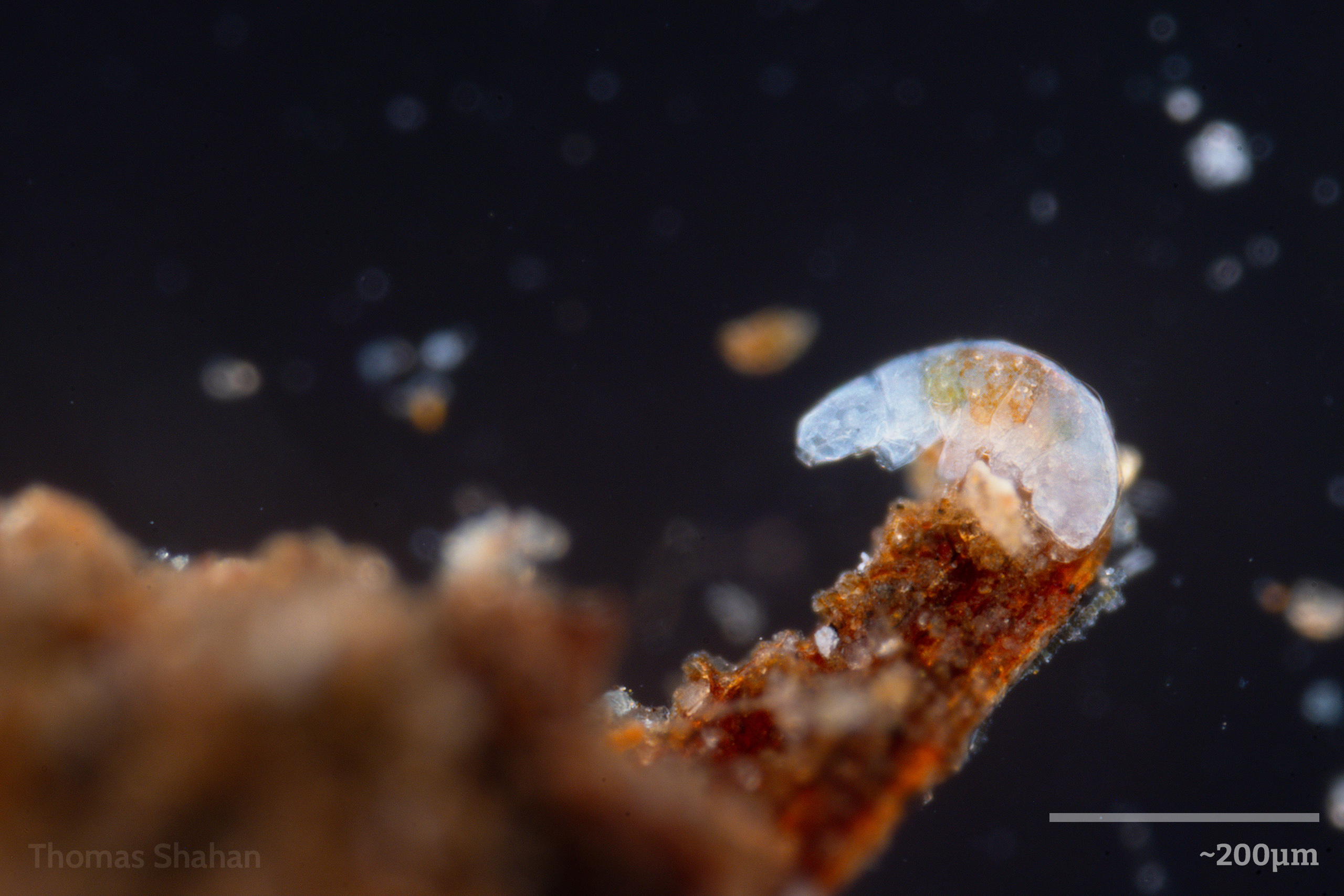
In Andy Weir’s fiction novel The Martian, NASA astronaut Mark Watney is stranded alone on Mars after his crew is forced to evacuate. To survive, he begins growing potatoes in his crew’s Martian habitat. Soon, however, he develops a new priority – ensuring the survival of beneficial bacteria in the soil. So much so that after a small accident, the bacteria’s fate concerns him more than the potatoes’. He realises that the potatoes’ and his own survival are at the bacteria’s mercy; it is they who provide key nutrients to the crop.
Mark’s actions may be fictional, but they offer real lessons for how humans might survive on Mars, according to Aloke Kumar, Associate Professor in the Department of Mechanical Engineering, IISc. “Humans are not going to go to Mars alone; we have to take these smaller companions with us – bacteria, fungi, even viruses, everything together,” he says.
The idea of life on Mars, and in space, has intrigued us for ages. But living on Mars would be impossible without a supporting ecosystem, and for that, we need to first know whether small organisms have what it takes to survive in space. At IISc, researchers have been investigating whether microorganisms – like bacteria, yeast, or tardigrades (water bears) – can deal with alien conditions. Studying this can shed light on a millennia-old mystery – whether life could evolve on other planets. It can also simplify space travel and guide future missions to build extraterrestrial colonies.
“Life has amazing ways of adapting to and shaping the environment around it,” says Swati Dubey, former Project Associate at the Centre for Earth Sciences, IISc. “We need to be vigilant of that and use it for our own benefit – not just for humanity, but for the [whole] ecosystem.”
Unbreakable bears
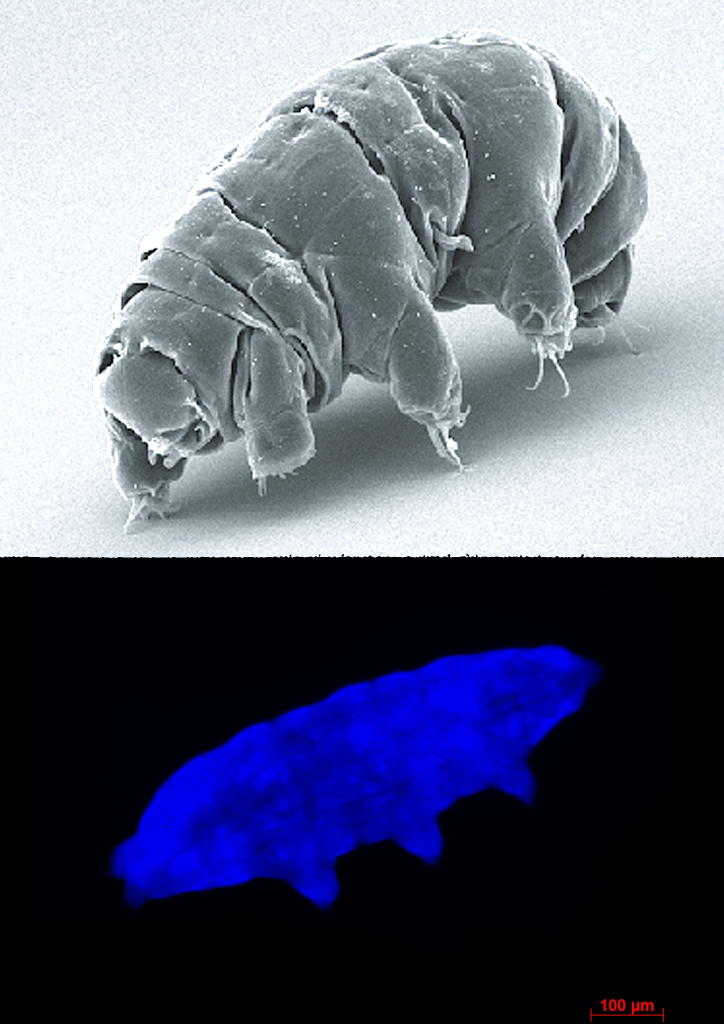
A known expert at adapting to adverse environments is the tardigrade – one of the tiniest but toughest creatures on Earth. These alien-like creatures are about a millimeter long and are extremotolerants – some of them can survive at extreme temperatures of 100°C or -272°C and tremendously high pressures of 7.5 giga pascals (atmospheric pressure is a tiny fraction of a giga pascal). Intrigued by their extreme tolerance, Sandeep Eswarappa, Associate Professor at the Department of Biochemistry, IISc, began exploring whether they could survive the final frontier – space.
The idea of sending tardigrades to space was seeded more than 60 years ago, when a 1964 paper in Bulletin biologique de La France et de La Belgique suggested that their extraordinary radiation tolerance makes them ideal space travellers. But it wasn’t until 2007 that astronauts took tardigrade specimens on a low Earth orbit mission (about 258-281 kilometres above sea level), proving that the creatures could indeed survive the vacuum in space (the solar radiation, however, killed most of the specimens).
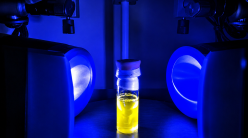
In 2016, Sandeep and his team found some tardigrades on the IISc campus, hiding in the moss covering an abandoned concrete wall, at the old building of the Department of Aerospace Engineering. Despite existing evidence of the tardigrades’ almost indestructible nature, the team wanted to test it for themselves. To start with, they zapped the water bears with ultraviolet (UV) radiation. The DNA-damaging, cancer-causing radiation usually kills unwanted bacteria, but it did nothing to the tardigrades. “To our surprise, even after 30 minutes of exposure, they were surviving,” says Sandeep. Strangely, the UV rays made them glow bright blue, which they later found was key to their UV tolerance.
It turns out that these tardigrades have a fluorescent pigment that absorbs lethal UV radiation, emitting blue light and shielding their bodies. “It acts like a natural sunscreen,” Sandeep says.
To systematically test the limits of the tardigrades, Sandeep collaborated with the Indian Space Research Organisation (ISRO), with the ultimate aim of sending them into space. They first tested for tolerance to gamma radiation – high-energy electromagnetic radiation prevalent in space. “Humans die if exposed to five grays of gamma radiation,” says Sandeep. Tardigrades, however, survived even up to 4,000 grays of radiation, and were still able to reproduce.
The next test was survival without water. The team placed tardigrades on filter paper inside a dessicator – a sealable enclosure with no moisture. After 10 days, they took the tardigrades out – the creatures were very still. When water was added, the dormant tardigrades came right back to life.
Finally, the tardigrades were put through the ultimate test – a near-vacuum chamber at a freezing -272.99°C (~ 10 milli Kelvin), a few degrees colder than space itself. The chamber was provided by Vibhor Singh, Associate Professor in the Department of Physics, IISc, who uses it to test quantum properties of materials. The dormant tardigrades easily survived for even up to 21 days. “When we revived [them], they were fine,” says Sandeep. “They behaved as if nothing had happened.”
‘So far, no one has tested this idea: that a dormant organism can be reactivated outside the Earth’
This remarkable capacity for long-term dormancy raised an intriguing possibility – could tardigrades inspire a new way to travel to space? Long-term space travel is expensive and physically demanding, requiring a constant supply of food, oxygen, and stimulation. But if organisms could be sent in a dormant state, to be awakened only after reaching their destination, the energy requirement would be minimal, says Sandeep. “So far, no one has tested this idea: that a dormant organism can be reactivated outside the Earth,” he says.
In collaboration with ISRO and NASA, Sandeep and his team sent dormant tardigrades to the International Space Station (ISS) via the Axiom-4 mission. ISRO astronaut Group Captain Shubhanshu Shukla, who is pursuing his MTech at IISc, was asked to try and reactivate them on board. On D-Day, the team held their breath as they watched a live broadcast of the microscope. Shubhanshu added water to the plate, and after a few seconds, slowly but surely, the water bears wiggled back to life. “Seeing them coming back to life … we were very happy and relieved,” says Sandeep.
Shubhanshu then put the tardigrades back into a dormant state for the return journey to Earth. About 45% of them were successfully revived in Sandeep’s lab; they eventually even reproduced normally.
The team was ecstatic; these findings confirmed that tardigrades remain unfazed in the most extreme and even extraterrestrial situations. “Life has the potential to tolerate [even] the harsh conditions of space,” says Sandeep. Understanding the mechanisms of such survival, he adds, could potentially make space travel, even for us humans, much easier.
Resilient yeast
Another potential space survivor that has caught scientists’ attention is a microbe much closer to home – the humble baker’s or brewer’s yeast, Saccharomyces cerevisiae.
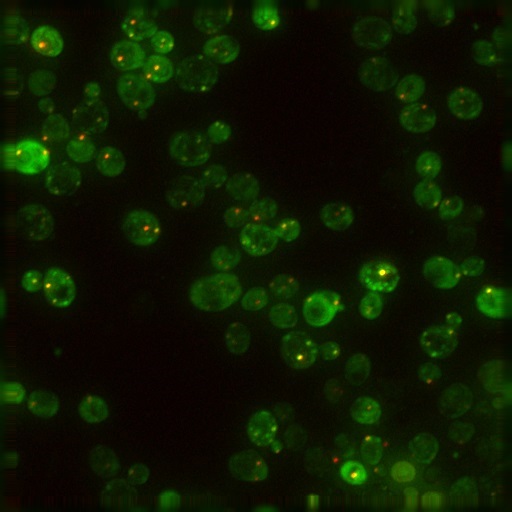
Purusharth I Rajyaguru, Associate Professor in the Department of Biochemistry, IISc, has loved working with yeast since his postdoctoral studies. His lab investigates how translation – mRNA molecules getting converted into proteins – is regulated inside the cell. Not all mRNAs leaving the nucleus get translated immediately; depending on the cell’s situation, some are stored safely in the cytoplasm. Under stress, these untranslated mRNAs can clump together with proteins to form RNA-protein (RNP) complexes, and when protein concentrations rise, they phase separate – “condensing” into structures called RNP condensates. Cells in organisms ranging from yeast to humans form RNP condensates. For the past decade, Raj has been investigating how yeast cells make these condensates under regular lab stresses such as nutrient deprivation or excess oxygen.
More recently, he became curious about how yeast cells would react to Mars-like conditions. “This is a different kind of stress, right? Going to a planet like Mars or the moon … temperature, UV radiation, and salt conditions are going to be different,” says Raj.
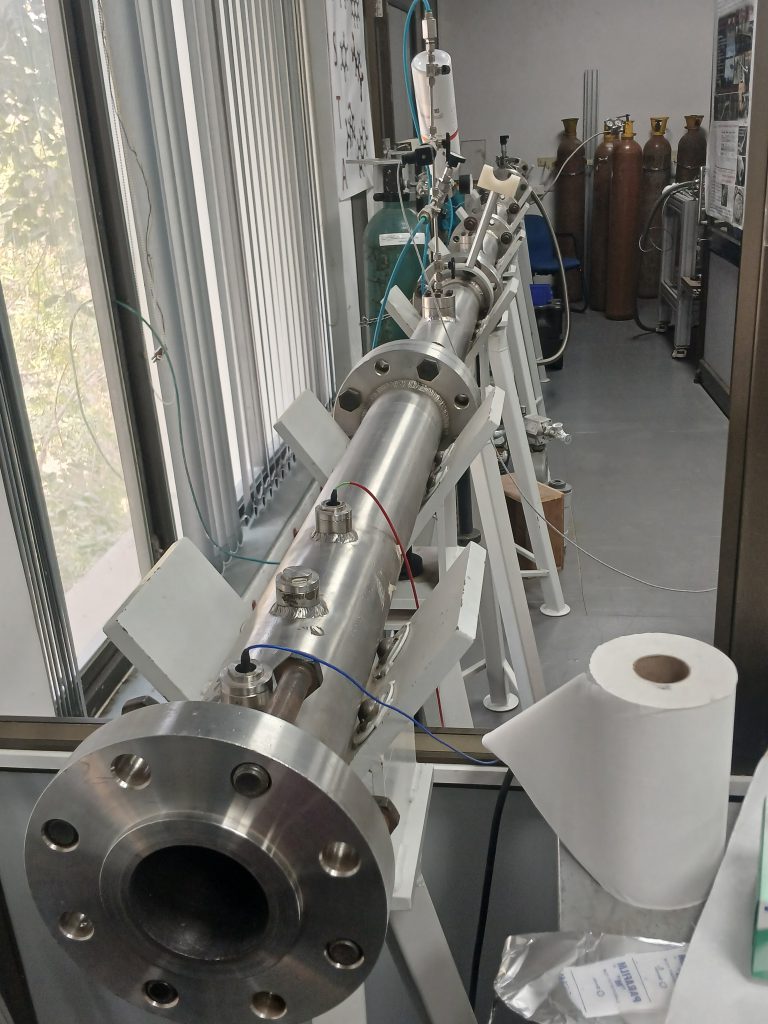
Mars is regularly bombarded by meteors, producing massive shockwaves. Working with Bhalamurugan Sivaraman at the Physical Research Laboratory, Ahmedabad, Raj and his team exposed yeast cells to such shock waves in a High-Intensity Shock Tube for Astrochemistry (HISTA) – tubes usually used for non-living materials like gases. They also exposed yeast to perchlorate – a toxic, chlorine-containing chemical found in Martian soils at levels up to 1%. A combination of these two stresses was also tested.
Not only did the yeast manage to survive the two stresses, separately and together, but they also responded by making more RNP condensates, as the scientists had predicted. In fact, the RNP condensates were necessary for mounting the stress response – lab-made mutant yeast that could not form condensates were unable to survive the stresses. “When you expose yeast cells to a stress they have never seen, they are still able to deploy their typical stress response,” explains Raj. “Which means that if there is a life form [on Mars], then perhaps it could be using similar mechanisms.”
Yeast managed to survive both massive shockwaves and exposure to toxic perchlorate found in Martian soil
The researchers also observed that immediately after stress exposure, the yeast entered a long lag phase, becoming dormant for 18-20 hours before dividing again. Raj hypothesises that this pause allows the cells to make condensates, to hoard mRNAs, and make the right proteins at the right time. “Once [the cell] has the necessary repertoire to deal with the stress, that is when the cell resumes growing.”
Similar condensates also form during starvation, when cells avoid the energy-consuming process of translation. Instead, they temporarily store mRNAs in condensates until conditions improve. Raj suspects that yeast use a similar strategy to cope with Mars-like stress.
Related RNP condensate responses in human cells could even serve as potential markers of stress response during space travel, Raj says. Potential space travellers can be screened under space-like conditions to measure their RNP condensate response. “That could be one way of knowing whether these people will respond well to space travel or are more likely to have complications,” he adds.
Brick-building bacteria
Among microscopic life that could survive in Martian soil, bacteria are ahead of the game – they can even help humans build potential habitats on Mars. The bacterium Sporosarcina pasteurii has naturally evolved to use urea and calcium in Earth’s soil to produce calcium carbonate crystals or precipitates, in a process called biocementation. Using this skill, the microbe can also help mould Martian soil into strong bricks.
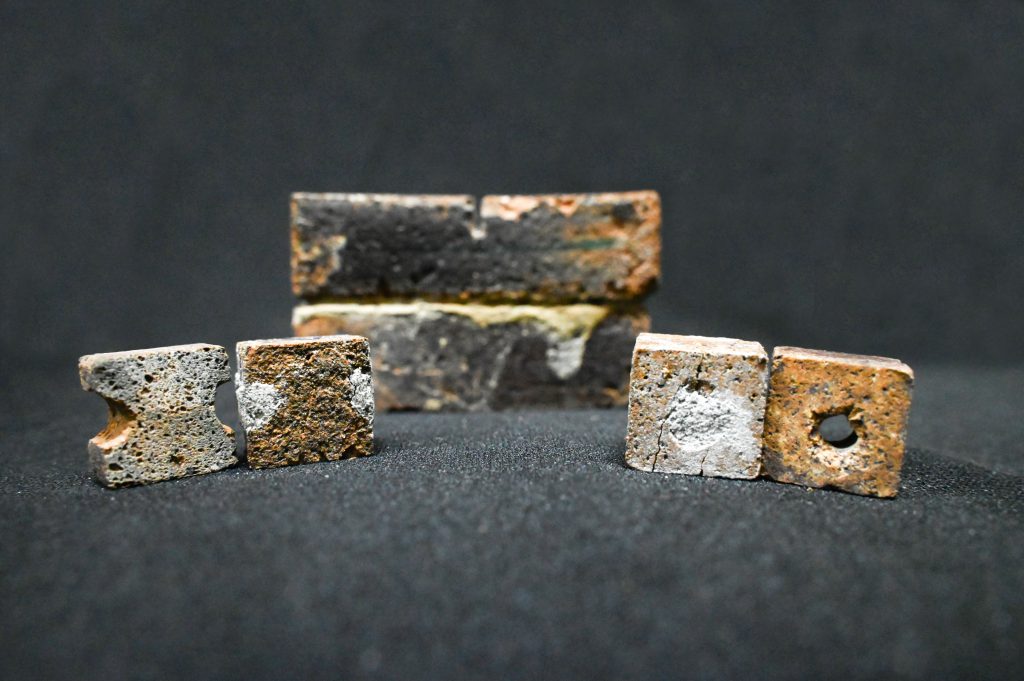
Aloke and his team had been interested in microbes that could survive on Mars for some years when they started working with Sporosarcina pasteurii. They initially used it to build “space bricks” made from synthetic lunar or Martian soil that can potentially be used to set up extraterrestrial habitats. Just like it could in Earth’s soil, the bacteria could glue the Martian or lunar soil particles together into bricks, though it also needed the natural adhesive guar gum, a powdery polymer extracted from guar beans.
More recently, Swati, Aloke, Shubhanshu, and other researchers used a more robust, native strain of the bacterium that they discovered in Bengaluru. After confirming its precipitate-forming skills, they wondered if this strain could also survive in the presence of the toxic chemical perchlorate of Martian soil, as the yeast in Raj’s lab did.
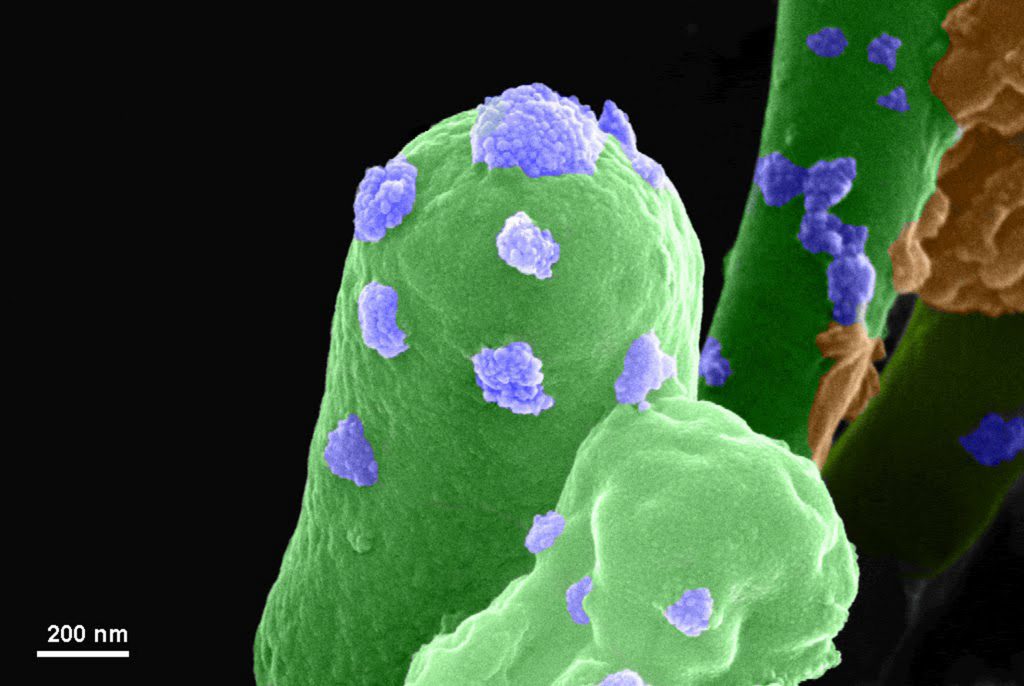
Collaborating with Punyasloke Bhaduri, Professor at the Indian Institute of Science Education and Research, Kolkata, the team first studied how the bacteria respond to perchlorate in isolation, in the absence of synthetic Martian soil. They found that perchlorate stresses out the bacterial cells – they grow slowly, become more circular in shape, and start clumping together into multicellular-like structures. The stressed bacterial cells also release more proteins and molecules in the form of extracellular matrix (ECM) into the environment. Using electron microscopy, the researchers found that more calcium carbonate-like precipitates were formed, and that the ECM formed little “microbridges” between the bacterial cells and the precipitates.
The team then tested the effect of perchlorate on the bacteria in the presence of synthetic soil. Although synthetic Martian soils usually exclude perchlorate because it is flammable, the researchers carefully added it in the lab. To their surprise, they found that the presence of perchlorate made the bacteria better at glueing the soil together in the bricks, but only if guar gum – essential for bacterial survival – and the catalyst nickel chloride were also present.
“When the effect of perchlorate on just the bacteria is studied in isolation, it is a stressful factor,” says Swati, currently a PhD student at the University of Florida. “But in the bricks, with the right ingredients in the mixture, perchlorate is [actually] helping.”
Swati suspects that the ECM microbridges could be enhancing the bacteria’s biocementation skills by funnelling nutrients to the stressed cells – a theory that the team plans to explore further. They also want to test the bacteria’s performance in a more Mars-like high-CO₂ atmosphere.
Ultimately, the goal is to deploy biocementation as a sustainable building strategy, to rely less on carbon-intensive cement – both on Earth and Mars. Such technologies can also make future landing missions smoother by helping build better roads, launch pads and rover landing sites, says Shubhanshu. The Moon’s uneven topography, for instance, has caused some landers to topple over.
“The idea is to do in situ resource utilisation as much as possible,” Shubhanshu says. “We don’t have to carry anything from here, which will make it a lot easier to do sustained missions over a period of time.”
The bacteria’s biocementation abilities also hint towards what life on the alien planet – if even present – could look like. Recent findings from the Sapphire Canyon sample, collected by NASA’s Perseverance Rover on Mars, revealed one of the strongest signs of life on the planet – not cells, but evidence of biomineralisation, a process akin to S. pasteurii’s biocementation. “Maybe these kinds of microbes lived on Mars one day, and these minerals shaped its soil texture,” suggests Swati.
‘Maybe these kinds of microbes lived on Mars one day, and these minerals shaped its soil texture’
Understanding how organisms like bacteria and yeast survive in Mars-like conditions can also help future colonisation efforts. After all, just like Mark needed the bacteria in The Martian (which thankfully survived the accident), we humans will need microbes to survive on the Red Planet. “Colonisation is not going to happen by us just landing there one fine day and starting to live,” says Raj. “It has to start from looking at how simpler life forms survive, which could give us an indication of how we might be able to survive.”
(Edited by Abinaya Kalyanasundaram)